How Political Polarization is Impacting Local Communities
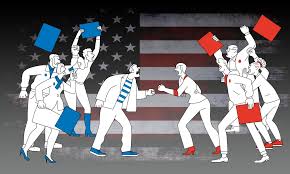
Political polarization, the increasing divide between political ideologies and parties, has emerged as one of the most pressing issues facing democratic societies worldwide. While often seen as a national concern, political polarization’s impact is profoundly felt at the local community level, where it disrupts social cohesion, damages relationships, and creates barriers to effective governance. As political ideologies grow more entrenched, local communities find themselves grappling with heightened tensions, a breakdown in trust, and an inability to work together on shared challenges.
One of the most significant ways political polarization affects local communities is through its impact on interpersonal relationships. Families, friends, and neighbors who once shared common values and interests are now increasingly divided by their political affiliations. Discussions that were once casual or respectful often devolve into heated arguments, making it harder for individuals to relate to one another and foster the sense of solidarity that is necessary for a thriving community. Social gatherings and community events, once inclusive, are now sometimes avoided to prevent conflict. This fragmentation undermines social fabric and weakens the sense of unity and shared identity.
Moreover, political polarization also leads to a lack of collaboration within local governance. Local governments, whether municipal or county-based, are often microcosms of broader national politics. Political polarization in local elections can result in gridlock, where elected officials focus more on party loyalty than on addressing the needs of their constituents. Disagreements over basic policy issues—such as education, healthcare, and infrastructure—become more ideologically charged and less about practical solutions. As a result, local leaders may struggle to pass meaningful legislation or execute projects that improve the quality of life for residents.
In addition to governance challenges, polarization can have a negative impact on public services. Community organizations, often the backbone of social support at the local level, are also affected by this growing divide. These organizations may become embroiled in political conflicts, resulting in reduced resources, lower public participation, and a decline in overall community engagement. Charitable and social service organizations, which rely on bipartisan support, may find themselves caught in the crossfire of partisan disputes, making it harder to secure funding and community support for their missions.
At its core, political polarization erodes the trust needed for effective governance and cohesive communities. Without the ability to come together and find common ground, local communities face serious challenges in addressing their most pressing issues. Moving forward, fostering open dialogue, empathy, and collaboration across political divides will be essential for repairing the social fabric and ensuring that local communities can thrive despite the broader national polarization.